

The modern technology landscape is defined by ecosystems. Among them, none is as integrated, profitable, or controversial as the environment built by Apple. For over a decade, the seamless interplay between hardware, software, and services has been the company’s greatest selling point. However, this “Walled Garden” is currently facing unprecedented pressure. Recent developments in major markets, including significant regulatory challenges in Asia and Europe, have brought the company’s App Store practices under the microscope. While the user experience remains polished, the business mechanics underpinning it are being challenged by collective complaints and legislative inquiries.
This article delves into the current state of Apple ecosystem news, analyzing how antitrust allegations regarding the abuse of dominant market positions could reshape the future of the iPhone, iPad, and emerging technologies like the Vision Pro. As regulators question the fairness of the 30% commission tax and the prohibition of third-party payment systems, we stand at a precipice that could redefine iOS updates news and the very nature of mobile computing security.
Section 1: The Architecture of Dominance – App Store Economics and Antitrust Friction
To understand the gravity of recent complaints filed against Apple, one must first understand the architecture of the App Store. It is not merely a marketplace; it is the sole gateway to over a billion active devices. This centralized control allows Apple to maintain high standards for iOS security news and Apple privacy news, but it also creates a bottleneck that critics argue stifles competition.
The 30% Commission and the “Apple Tax”
At the heart of most antitrust complaints is the commission structure. For years, developers have argued that the mandatory 15-30% cut Apple takes from digital transactions is exorbitant. In regions like China, where the mobile economy is deeply integrated into daily life—from WeChat to mobile gaming—this friction is palpable. When iPhone news outlets report on these legal challenges, the core argument is often that Apple acts as both a player and a referee. By forcing competitors to use its payment processing system (and taking a cut), Apple allegedly inflates prices for consumers and suppresses innovation.
The Definition of a “Dominant Position”
Legal definitions of monopoly power are complex. In the context of iPad news and iPhone usage, regulators are looking at whether iOS constitutes a distinct market. Apple argues that it competes with Android; therefore, consumers have a choice. However, complainants argue that once a user is locked into the ecosystem—owning an Apple Watch, AirPods, and a library of purchased apps—switching costs are prohibitively high. This “lock-in” effect is central to the allegations of abusing a dominant position.
Case Study: The Gaming Sector
The mobile gaming industry provides the clearest example of this tension. Gaming apps account for the vast majority of App Store revenue. When a user buys a skin in a game on their iPad Pro, Apple takes a cut. If that same game developer wants to offer a discount via a web store, Apple’s anti-steering rules have historically prevented them from informing users inside the app. While Apple TV news often focuses on content streaming, the gaming narrative is where the financial stakes of antitrust battles are highest.
Section 2: The Hardware Ripple Effect – From AirPods to Vision Pro
Antitrust rulings rarely stay confined to software; they ripple out to affect hardware integration. Apple’s defense of its closed system is often predicated on the magical experience of its devices working together. If regulators force Apple to open up its APIs (Application Programming Interfaces) to third parties, the competitive landscape for accessories could change dramatically.
Wearables: The Apple Watch and AirPods Advantage
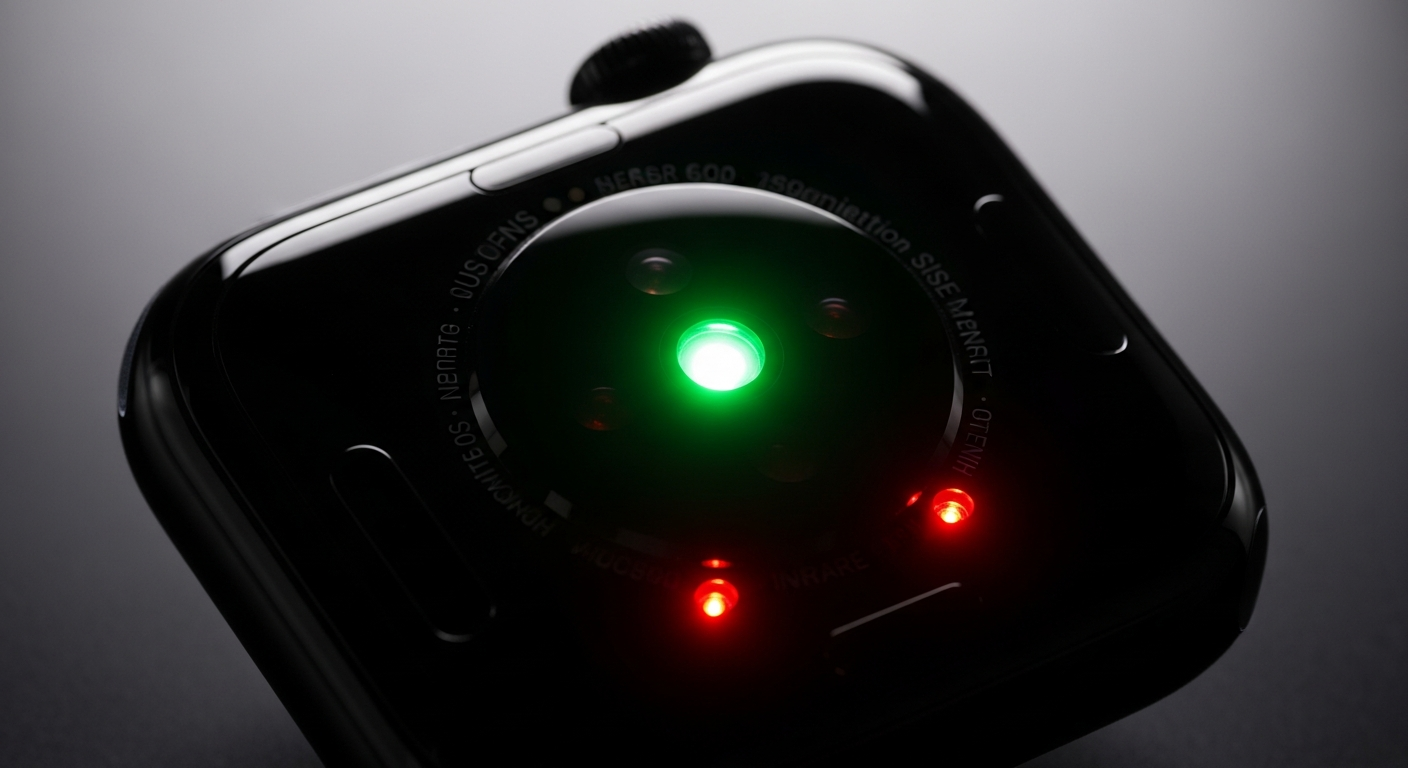
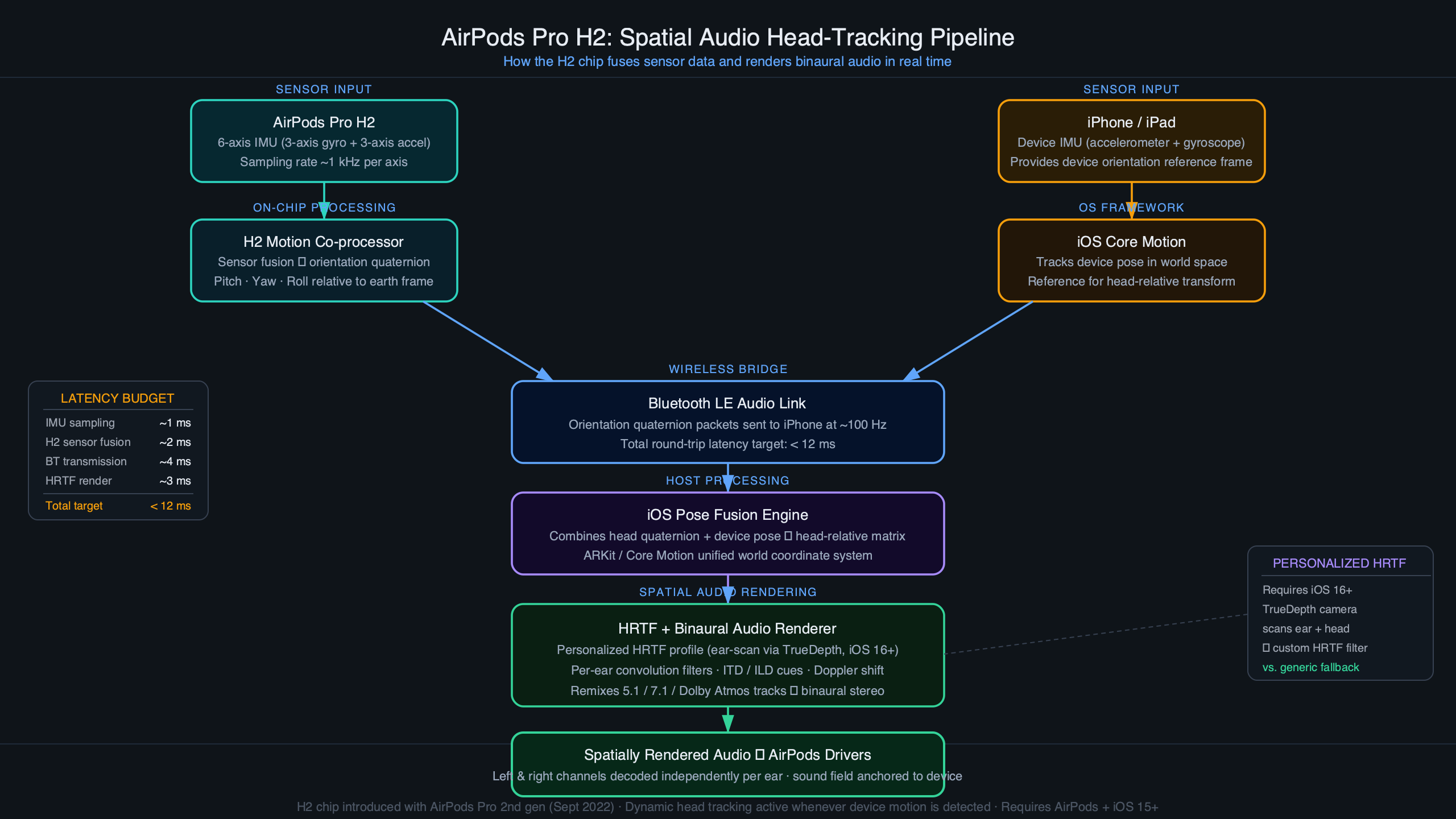
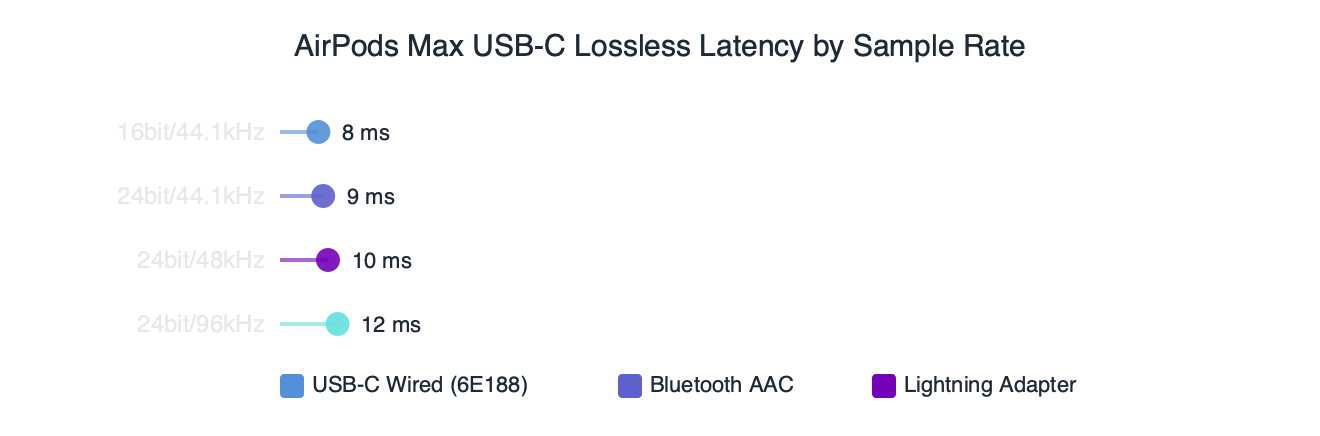
Currently, Apple Watch news is dominated by health features and seamless iPhone pairing. This seamlessness is achieved because the Apple Watch has privileged access to iOS background processes that third-party smartwatches do not. If antitrust pressures force Apple to level the playing field, we might see Garmin or Samsung watches gaining similar integration capabilities with the iPhone. Similarly, AirPods Pro news and AirPods Max news often highlight features like instant pairing and Spatial Audio. Critics argue that third-party headphones are artificially handicapped. A regulatory crackdown could force Apple to open these proprietary features to competitors like Sony or Bose.
The Vision Pro and Future Interfaces
The stakes are even higher for spatial computing. Apple Vision Pro news suggests that this device is the future of the company. However, the “Walled Garden” approach here is already being scrutinized. Developers are watching closely to see if Apple will allow third-party app stores on visionOS. Furthermore, Vision Pro accessories news is a burgeoning field. Will Apple restrict third-party controllers? There are already whispers and patents regarding input devices, leading to speculation about Vision Pro wand news or Apple Pencil Vision Pro news. If Apple locks down the input methods for its spatial computer the way it locked down NFC on the iPhone, it could face immediate regulatory pushback in the current climate.
A Nostalgic Comparison: The iPod Era
To understand the trajectory, we can look at history. iPod news in the early 2000s was defined by the iTunes lock-in. You could not easily drag and drop MP3s onto an iPod without iTunes. Whether it was iPod Nano news, iPod Shuffle news, or the high-capacity iPod Classic news, the hardware sold the software, and the software locked you to the hardware. Even the iPod Mini news of the past reflects this strategy. Today, we see iPod revival news as enthusiasts mod old devices to break these restrictions, highlighting a long-standing consumer desire for open hardware. The difference today is that the iPhone is a general-purpose computer, not just a music player, making the “closed garden” argument much harder to defend legally.
Section 3: Software Implications – Privacy, Security, and Services
Apple’s primary defense against opening up its ecosystem is user safety. They argue that sideloading (installing apps from outside the App Store) invites malware and data breaches. This is a potent argument, particularly when discussing Apple health news, where sensitive biometric data is stored.
The Security vs. Competition Paradox
iOS security news outlets frequently praise the iPhone’s resistance to viruses compared to Android. Apple contends that allowing third-party app stores would compromise the “sandbox” that keeps apps isolated. However, regulators are becoming less convinced by this binary argument. They point to macOS, which allows software installation from anywhere while maintaining robust security. The question becomes: Why can a Mac user be trusted to download software from the web, but an iPad Pro user cannot?
Siri and AI Integration
With the rise of generative AI, Siri news has become a focal point. Antitrust concerns also extend to how Apple privileges its own services. If Siri automatically defaults to Apple Music rather than Spotify, or Apple Maps rather than Google Maps, it reinforces the monopoly allegation. As Apple integrates more advanced AI, regulators will be watching to ensure that third-party AI assistants are not disadvantaged on the platform.
The Services Revenue Pivot
As hardware sales plateau, services have become Apple’s growth engine. This includes iCloud, Apple TV+, Apple Arcade, and Apple Fitness+. Apple TV marketing news often highlights exclusive content, but the delivery mechanism is the key. By bundling these services (Apple One), Apple creates immense value for users but makes it incredibly difficult for standalone competitors to survive. This “bundling” is another classic antitrust trigger point.
Section 4: The Road Ahead – Implications for Users and Developers
What does a post-antitrust Apple ecosystem look like? If complaints in China and regulations in the EU (like the Digital Markets Act) force Apple’s hand, the changes will be significant.
Pros and Cons of an Open Ecosystem
Pros:
- Lower Prices: Without the 30% commission, developers could pass savings to consumers.
- Innovation: iPad vision board news or productivity apps could flourish if developers had deeper system access, perhaps utilizing the Apple Pencil news features in ways currently restricted by private APIs.
- Customization: Users could customize their experience similarly to Android, perhaps even changing default launchers.
Cons:
- Fragmentation: The “it just works” magic might fade if components stop talking to each other seamlessly.
- Security Risks: An increase in phishing and malware targeting Apple privacy news vulnerabilities.
- User Confusion: Managing subscriptions across multiple app stores could be chaotic.
The Role of Accessories and Niche Products
An open ecosystem might revitalize niche categories. We could see a resurgence in specialized audio devices challenging HomePod news and HomePod mini news dominance. We might see third-party trackers that utilize the Ultra-Wideband chip currently reserved for AirTag news. The ecosystem would become messier, but undoubtedly more diverse.
Strategic Shifts in Marketing
Apple will likely pivot its marketing to focus even harder on privacy as a premium feature. If the App Store is forced open, Apple will market the “Official App Store” as the only safe harbor, differentiating it from third-party alternatives. We may see Apple AR news focusing on proprietary experiences that can only be guaranteed within the strict confines of Apple’s own software, incentivizing users to stay within the garden voluntarily rather than by force.
Conclusion
The recent wave of antitrust complaints alleging abuse of Apple’s dominant position in the iOS ecosystem is not an isolated event; it is part of a global reckoning. From the iPhone news cycle to the emerging discourse around Apple Vision Pro news, the thread connecting them all is the tension between control and competition.
For the consumer, the immediate future may bring more choices in how apps are bought and paid for. For developers, it may finally bring the relief from the “Apple Tax” they have long sought. However, for Apple, it represents the greatest challenge to its business model since the inception of the App Store. Whether discussing AirPods news, Apple Watch news, or the legacy of iPod news, the conclusion is clear: the walls of the garden are being lowered. The question remains whether the flowers inside will continue to bloom without the gardener’s strict control.