
The “Backpack Studio” Myth
I’ve been chasing the dream of a truly portable music studio since the iPad 2 came out. You know the one. The dream where you sit in a coffee shop with nothing but a tablet and headphones, churning out bangers. But the reality usually involves a mess of dongles, a plastic 25-key controller that feels like a toy, and enough cables to strangle a small elephant.
So when I saw discoDSP releasing KeyPad this week, I paid attention. Not because the world needs another on-screen keyboard—GarageBand has had one for fifteen years—but because discoDSP usually builds stuff for people who actually know what a filter cutoff is.
I grabbed the app immediately. I was sitting in my car waiting for a takeout order (glamorous, I know), and I had my iPad Pro M4 with me. Perfect stress test.
KeyPad: More Than Just Virtual Keys
Here’s the thing about touch controllers: they usually suck. You lose the tactile feedback, you drift off the keys, and playing chords feels like typing on a flat surface. Which it is.
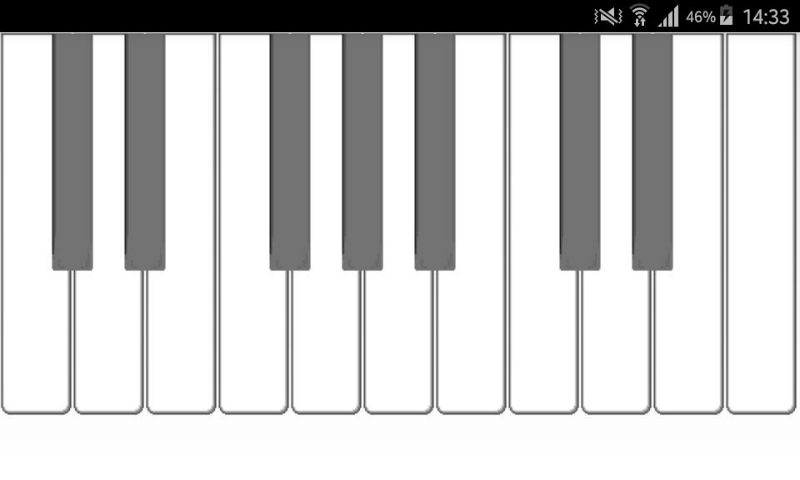
KeyPad doesn’t magically fix the lack of physical keys. Physics is physics. But it does something interesting with the screen real estate. It’s not just a piano roll. It’s a customizable MIDI surface. You can set up pads, sliders, and XY pads.
I connected it to Ableton Live 12 running on my MacBook via Wi-Fi MIDI. Setup took about forty seconds. No cables. I mapped a few faders to the macro controls on a Wavetable synth patch.
The response? Surprisingly snappy. I was expecting that slushy Wi-Fi latency that makes playing drums impossible, but on my home network (Wi-Fi 7 router), the latency was negligible. I didn’t measure it with a scope, but it felt tight enough to track a bassline without needing to quantize the life out of it later.
The XY Pad Feature
This is where I actually had fun. I set up the XY pad to control filter resonance and drive simultaneously. Dragging my finger around created these evolving, gritty textures that I simply can’t do with a standard knob-per-function controller unless I grow a third hand.
If you’re strictly an iOS musician, KeyPad supports virtual MIDI, meaning it can drive other apps on the same device. I routed it into Moog Mariana. It worked. No crashes, no weird MIDI feedback loops.
OB-Xd and FX Bundle Updates
While KeyPad is the shiny new toy, the updates to their existing lineup might actually be more important for my daily workflow. discoDSP pushed updates for OB-Xd and their FX Bundle alongside the new release.
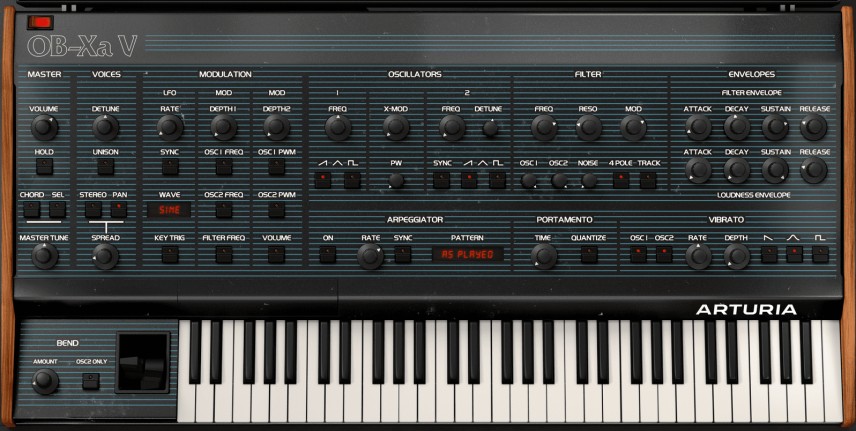
I’ve been using OB-Xd since it was a free VST on desktop ages ago. It’s an Oberheim OB-X emulation, and it sounds thick. The iOS version has been my go-to for “80s pads” for years.
The update (version 3.4 on my device) seems to address a few UI scaling issues I was having on the 13-inch iPad. Before, some knobs were tiny—like, “stylus required” tiny. Now they feel usable with actual human fingers. They also tweaked the preset management system. Finally. Browsing banks used to be a headache; now it’s just a list. Simple.
I opened an old project file from late 2024 to see if the update broke anything. It loaded fine. The filter sweep on the “Bright Brass” patch sounded exactly as I remembered. Stability seems solid; I ran it for two hours straight while looping a sequence and tweaking parameters, and the audio engine didn’t hiccup once.
The FX Bundle: Small Tweaks, Big Difference
The FX Bundle update is less flashy but necessary. I use their Schroeder reverb occasionally when I want that specific, metallic early-digital sound. The update notes mentioned CPU optimization.
I tested this. I loaded 12 instances of the reverb on a project in Logic Pro for iPad (version 3.1). On my M4 iPad, the CPU meter barely moved. It was sitting at around 12%. Before this update, I swear that same stack would have pushed it closer to 20%. It’s not a scientific benchmark, but for a mobile device where battery life is currency, efficiency matters.
Is It Worth It?
Look, if you have a hardware synth setup and a nice Arturia KeyStep, you probably don’t need KeyPad. Glass will never beat plastic and springs for playing a piano concerto.
But for the mobile producer? The person trying to get ideas down on a train or in a hotel room? It’s a tool that justifies its existence. It’s definitely better than the default keyboards built into most synths.
And, well, the updates to OB-Xd are just the cherry on top. It’s reassuring to see developers maintaining their legacy apps rather than just churning out new paid ones and abandoning the old catalog. That’s a plague in the iOS music world, and discoDSP seems to be avoiding it.
My advice? Grab the OB-Xd update immediately if you own it. Check out KeyPad if you’re tired of carrying a MIDI controller in your backpack. Just don’t expect it to turn you into Herbie Hancock overnight.
FAQ
How does discoDSP KeyPad connect to Ableton Live on a separate computer?
KeyPad connects to Ableton Live 12 on a MacBook using Wi-Fi MIDI, with no cables required. Setup takes roughly forty seconds. On a Wi-Fi 7 home network, latency feels tight enough to track basslines without heavy quantization afterward. Faders can be mapped to macro controls on synth patches like Wavetable, and response has been described as surprisingly snappy for a wireless connection.
What can you do with the XY pad in discoDSP KeyPad?
KeyPad’s XY pad lets you control two parameters simultaneously by dragging a finger across the screen. For example, mapping it to filter resonance and drive at once produces evolving, gritty textures that would otherwise require a third hand on a knob-per-function controller. KeyPad is a customizable MIDI surface, so you can also configure pads and sliders alongside the XY pad for expressive performance.
What changed in the discoDSP OB-Xd 3.4 update for iPad?
OB-Xd version 3.4 addresses UI scaling issues on the 13-inch iPad, where some knobs previously felt stylus-small and are now usable with fingers. The preset management system was also reworked so browsing banks is now a simple list instead of a headache. Old project files from late 2024 still load correctly, and the audio engine stayed stable during a two-hour looping and tweaking session.
Does the discoDSP FX Bundle update actually reduce CPU usage on iPad?
The FX Bundle update mentions CPU optimization, and informal testing backs it up. Running 12 instances of discoDSP’s Schroeder reverb in Logic Pro 3.1 on an M4 iPad kept the CPU meter around 12%, whereas the same stack previously pushed closer to 20%. It isn’t a scientific benchmark, but on a mobile device where battery life is currency, the efficiency gain matters.