

Introduction: The Convergence of Silicon Valley and Hollywood
The landscape of digital entertainment is undergoing a seismic shift, characterized by the aggressive convergence of traditional Hollywood theatrics and Silicon Valley technology. At the forefront of this evolution is Apple TV+, a platform that has rapidly transitioned from a repository of niche originals to a powerhouse of Academy Award-winning films and blockbuster theatrical releases. Central to this transformation is the role of executive leadership in film marketing strategy. When high-level executives depart or new leaders are appointed within Apple’s media division, it signals more than just a personnel change; it often indicates a pivot in how the tech giant views the relationship between content, hardware, and the consumer.
Marketing films for a technology company requires a fundamentally different approach than traditional studio marketing. It is not merely about selling ticket stubs or driving streaming subscriptions; it is about reinforcing the value of the entire Apple ecosystem news cycle. Every film release is an opportunity to showcase the visual fidelity of the iPad, the audio immersion of AirPods, and the connectivity of the iPhone. As we analyze the current state of Apple TV marketing news, it becomes clear that the strategy is moving toward a hybrid model—one that values the prestige of theatrical windows while leveraging the ubiquity of Apple hardware to drive long-term engagement.
The Evolution of Apple’s Film Marketing Strategy
From Streaming-First to Theatrical Prestige
Initially, the marketing strategy for Apple TV+ focused heavily on exclusivity and digital convenience. However, recent trends suggest a significant pivot toward traditional theatrical releases. This “hybrid” distribution model requires a marketing executive who understands both the fast-paced digital metrics of iOS updates news and the slow-burn prestige of a global cinema rollout. By committing to wide theatrical releases for high-budget films, Apple is not just chasing box office revenue; they are buying cultural relevance.
This strategy elevates the brand perception of Apple TV+. When a film is marketed like a major blockbuster with a global billboard campaign and a red-carpet premiere, it changes how consumers view the service on their devices. It transforms the app from a utility into a premium destination. This shift necessitates marketing leadership capable of navigating the complex relationships between theater chains, talent guilds, and the internal demands of Apple’s services division.
The Ecosystem Integration Approach
Unlike traditional studios, Apple’s film marketing is intrinsically tied to hardware sales. A successful film campaign effectively serves as a showcase for device capabilities. For instance, marketing materials often highlight AirPods Pro news regarding Spatial Audio support, encouraging users to experience films with immersive sound. Similarly, the visual fidelity of high-dynamic-range (HDR) content is used to market the latest display technologies found in iPad news cycles.
Effective leadership in this sector must bridge the gap between creative storytelling and technical specification. The marketing narrative is no longer just “Watch this movie”; it is “Watch this movie on the new iPad Pro for the intended experience.” This symbiotic relationship means that film marketing strategies are often developed in tandem with hardware roadmaps, ensuring that content releases align with new device capabilities.
The Hardware-Content Feedback Loop
Leveraging Audio and Wearables

Executive leaving office building – Exclusive | China Blocks Executive at U.S. Firm Kroll From Leaving …
The synergy between Apple’s audio products and its video content is a critical component of its marketing strategy. With the introduction of features like dynamic head tracking, AirPods news has become a staple of home theater discussions. Marketing executives must highlight how AirPods Max news and updates enhance the cinematic experience for the solo viewer. Furthermore, the integration extends to the living room, where HomePod news and HomePod mini news frequently focus on the ability to pair devices for a stereo home theater experience, directly competing with traditional soundbars.
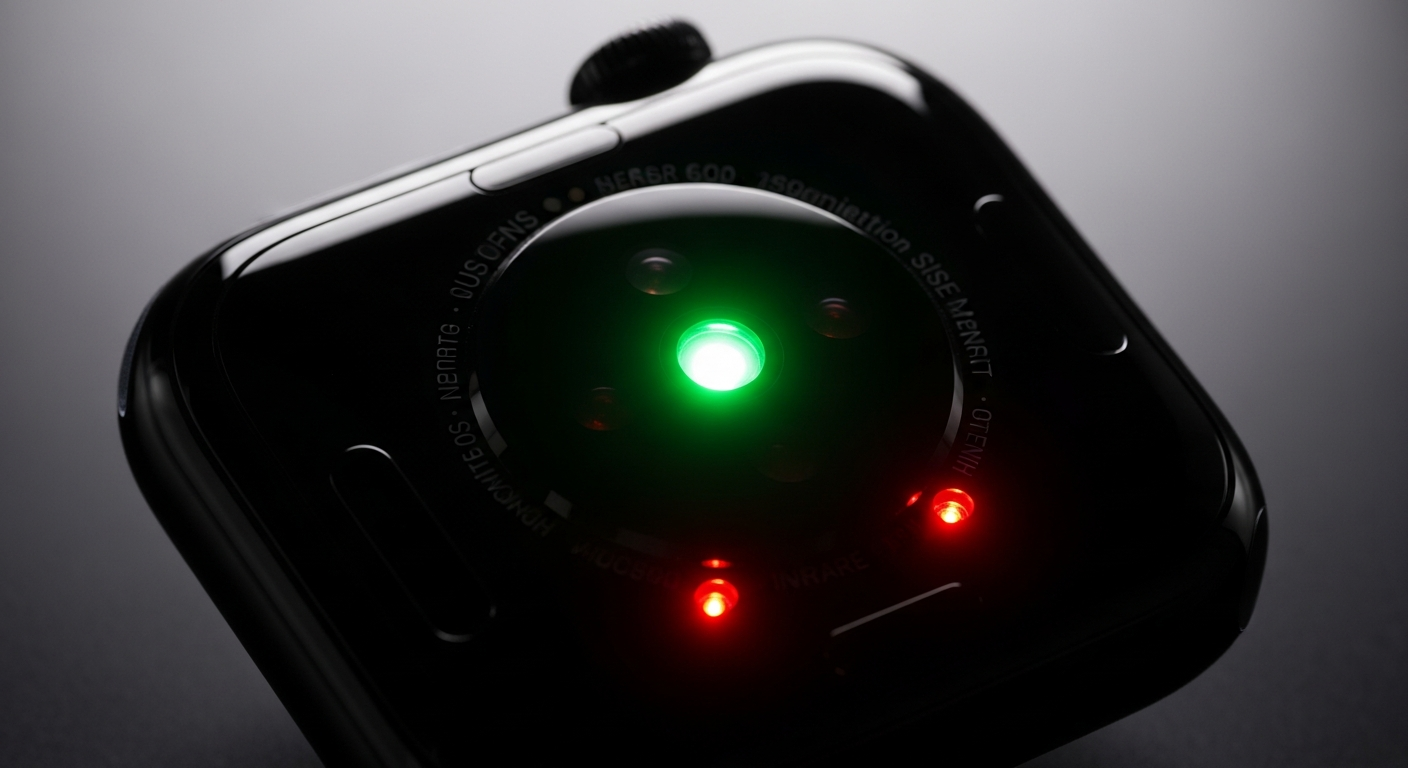
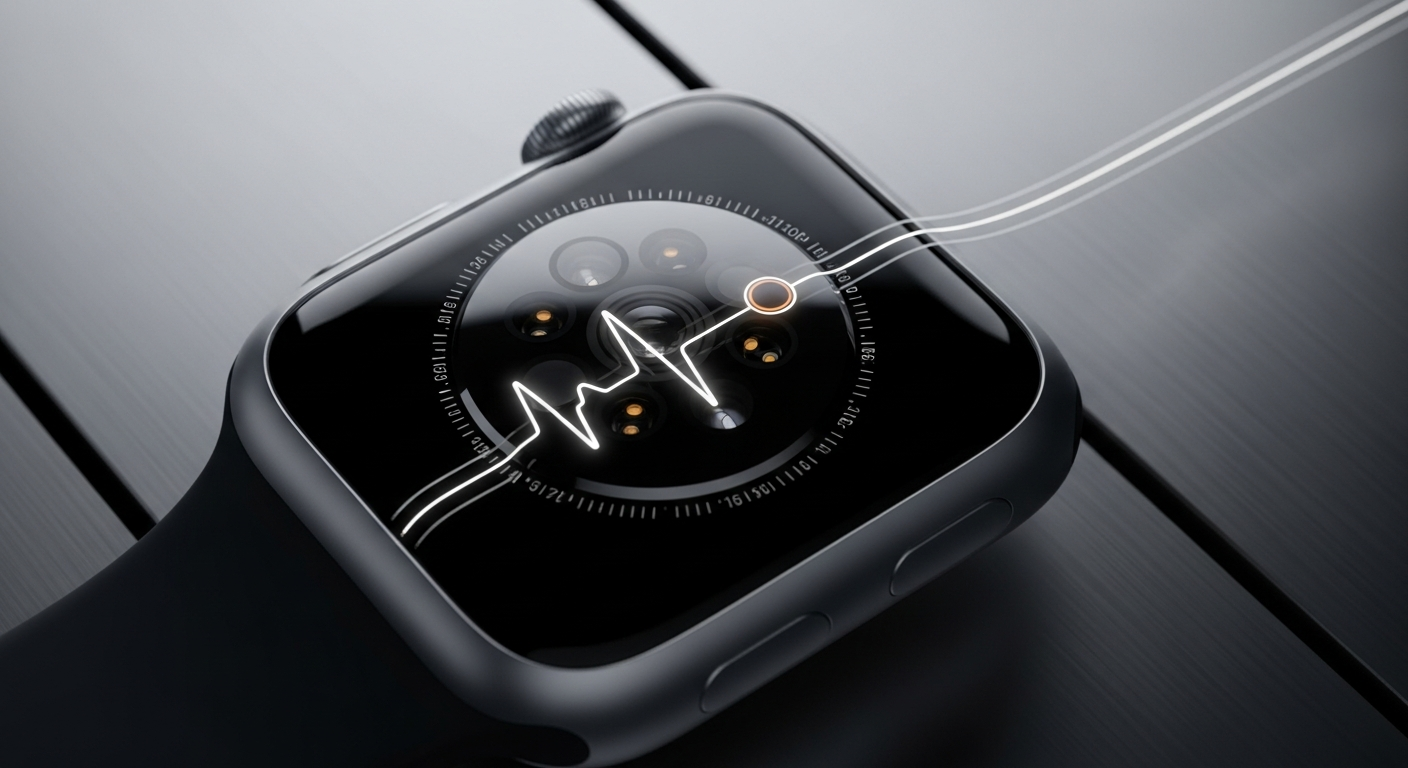
Even the Apple Watch news cycle plays a role. While one cannot watch a film on a watch, the device serves as a remote, a notification center for new releases, and a health monitor that can dim lights or adjust environments via HomeKit integration when a movie starts. This level of interconnectivity requires a marketing strategy that views the user not as a passive viewer, but as an active participant in a connected ecosystem.
The Legacy and Revival of Portable Media
To understand the future of Apple’s media marketing, one must look at the past. The DNA of Apple’s entertainment strategy is rooted in the iPod era. While we occasionally see iPod revival news or nostalgic looks back at iPod Classic news, the core philosophy remains: carry your entertainment with you. The modern iteration of this is the iPhone, but the marketing principles established during the days of iPod Nano news, iPod Shuffle news, and iPod Mini news still apply. It is about portability, ease of access, and seamless synchronization.
Today, that portability is marketed through the lens of continuity. You start a film on your Apple TV 4K, pause it, and resume it on your iPod Touch news successor—the iPhone. Marketing leaders must emphasize this fluidity, reminding consumers that Apple TV+ is the only service hardwired into the operating system of their devices, a distinct advantage over third-party apps like Netflix or Disney+.
The Frontier of Immersive Marketing: Vision Pro
Redefining the “Big Screen”
The most significant development in recent Apple TV news is the introduction of spatial computing. Apple Vision Pro news has fundamentally altered the roadmap for film marketing. Executives are now tasked with marketing 3D movies and “Immersive Video” formats that are exclusive to the headset. This creates a new tier of premium content that serves as a system seller for the hardware.
Marketing strategy here is delicate. It involves promoting Apple AR news and the capabilities of the headset without alienating users who only own an iPhone or Apple TV. We are seeing a rise in Vision Pro accessories news and discussions around control mechanisms, such as the speculative Vision Pro wand news or advanced hand-tracking updates. The marketing narrative is shifting toward “personal theater” experiences, promising an IMAX-sized screen in a portable form factor.
Interactive and Creative Tools
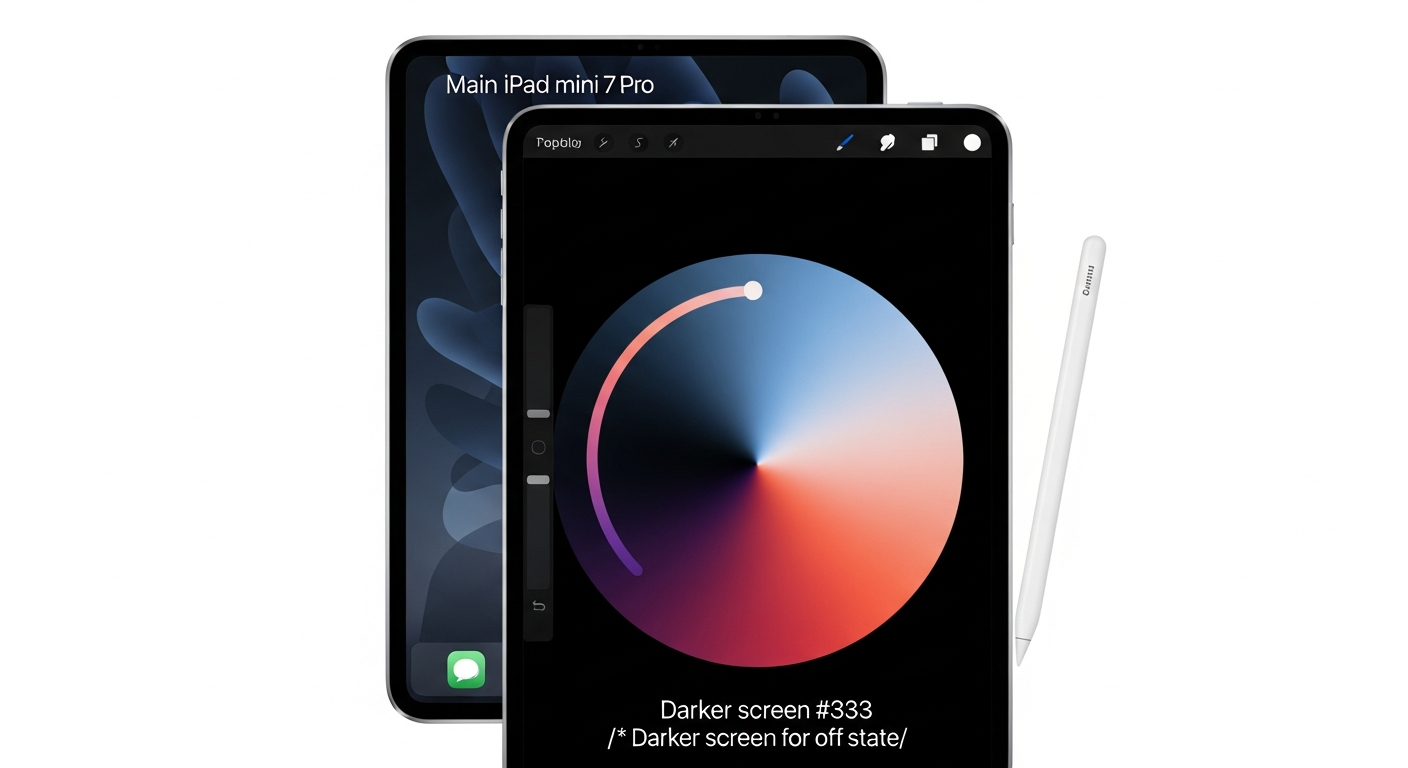
The intersection of creativity and consumption is another marketing angle. With the Apple Pencil news and the potential for Apple Pencil Vision Pro news, there is a growing segment of marketing directed at creators. Apple TV+ content is often accompanied by “Behind the Scenes” featurettes shot on iPhone, encouraging users to become creators themselves. This aligns with iPad vision board news and productivity trends, where users utilize Apple devices to storyboard and plan their own content, inspired by the originals they watch.
Data Privacy, Security, and Personalized Marketing

Executive leaving office building – After a Prolonged Closure, the Studio Museum in Harlem Moves Into …
Navigating the Privacy-First Landscape
One of the unique challenges for Apple’s marketing leadership is the company’s staunch stance on privacy. Apple privacy news frequently highlights the reduction of data tracking, which paradoxically makes marketing harder for external advertisers but gives Apple a massive internal advantage. Apple does not need to buy data to know what its users like; it owns the platform. However, using this data ethically is a tightrope walk.
Marketing strategies must leverage on-device intelligence. Siri news updates often include better content recommendation engines that process data locally. A marketing executive at Apple must champion iOS security news as a selling point for the streaming service—assuring parents that their children’s viewing habits aren’t being sold to third-party data brokers. This “privacy as a premium feature” approach distinguishes Apple TV+ from ad-supported competitors.
Health and Wellness Integration
An often-overlooked aspect of the ecosystem is health. Apple health news creates opportunities for cross-promotion. For example, Apple Fitness+ is bundled with Apple TV+ in the Apple One subscription. Marketing leaders are increasingly promoting the “wellness” aspect of entertainment—relaxation, mental breaks, and the seamless transition from a high-intensity workout to a relaxing film. Even AirTag news plays a minor role in the ecosystem peace of mind, ensuring your devices are safe so you can focus on entertainment.
Implications and Strategic Insights
The Leadership Vacuum and Opportunity

Executive leaving office building – Exclusive | Bank of New York Mellon Approached Northern Trust to …
When top-tier marketing executives resign or transfer within this sector, it often creates a temporary vacuum that can lead to strategy shifts. For Apple, filling a role such as the head of film marketing is not just about finding a Hollywood veteran. It requires a polymath who understands the technical nuances of iPhone news camera systems (often used to market the “Shot on iPhone” capability of filmmakers) and the distribution logistics of global cinema chains.
The incoming leadership will likely face the challenge of scaling. As the library grows, discovery becomes an issue. The strategy must evolve from “Look at this one big movie” to “Look at this deep library.” This requires a shift in algorithm tuning, push notification strategies, and email marketing, all while maintaining the premium “Apple” feel that avoids spamminess.
Best Practices for Ecosystem Marketing
Based on the trajectory of Apple TV+, here are the best practices that define successful marketing in this niche:
- Hardware Halo Effect: Always tie the content to the device. A sci-fi movie isn’t just a movie; it’s a demo for the OLED screen on the iPad Pro.
- Privacy as a Product: Use the lack of ads and data tracking as a primary differentiator against Netflix and Amazon Prime.
- Theatrical Legitimacy: Continue to embrace cinema runs to attract top-tier talent (directors and actors) who still value the silver screen over the tablet screen.
- Bundle Value: Market the service not as a standalone cost, but as a value-add to the Apple One bundle, increasing stickiness for iCloud and Apple Music users.
Conclusion
The departure and appointment of marketing executives at Apple are leading indicators of where the company believes the media industry is heading. As we analyze the broader scope of Apple TV marketing news, it is evident that the company is moving toward a sophisticated synthesis of Hollywood prestige and Silicon Valley innovation. The future strategy will likely double down on the ecosystem lock-in, using exclusive high-budget films to drive sales of Apple Vision Pro and upgrades to the latest iPhone and iPad models.
For the consumer, this means a more integrated experience where hardware and software are indistinguishable. For the industry, it signals that Apple is no longer just a tech company dabbling in media, but a media titan that uses technology to redefine how stories are told, sold, and consumed. Whether through the nostalgia of iPod news or the futurism of AR, Apple’s marketing machine remains the most potent tool in its arsenal, turning viewers into users, and users into lifelong loyalists.