
They changed the game while everyone was watching the scoreboard.
I was ready to write the obituary for Apple’s walled garden back in January. Seriously. Between the EU’s Digital Markets Act finally showing teeth and the DOJ circling Cupertino like sharks sensing blood in the water, it looked over. I told anyone who would listen that 2025 was the year the ecosystem finally cracked open.
I was wrong. Man, was I wrong.
While we were all obsessing over side-loading and third-party app stores, Tim Cook pulled a fast one. He didn’t fight the regulators on the old battlefield. He just built a new one where the old rules don’t apply. By pivoting the entire ecosystem around financial services and—surprise, surprise—crypto integration, Apple has made the iPhone stickier than ever. And the regulators? They’re still trying to figure out what happened.
The “Services First” pivot wasn’t just marketing
We’ve been hearing “Services” touted in earnings calls for years. It usually meant iCloud storage or Apple TV+. Boring stuff. But looking at the Q4 numbers released last month, it’s obvious the strategy shifted. The hardware—the iPhone 17, the Vision Pro 2—is just a trojan horse now.
The real product is the financial layer.
When Apple announced the “Ledger” update to Apple Wallet back in September, most tech blogs glazed over it. “Oh cool, native USDC support,” they said. “Nice, I can view my Bitcoin balance next to my Apple Card.” They missed the point.
I set up the new Wallet features last week. It’s not just a viewer. It’s a settlement layer. Apple isn’t just letting you hold crypto; they’ve built a closed-loop payment system where crypto assets convert instantly to fiat for Apple Services. You can pay for your Apple One bundle with Ethereum now. I did it this morning just to see if it worked. It was instant. No waiting for confirmations, no manual bridging. It just worked.
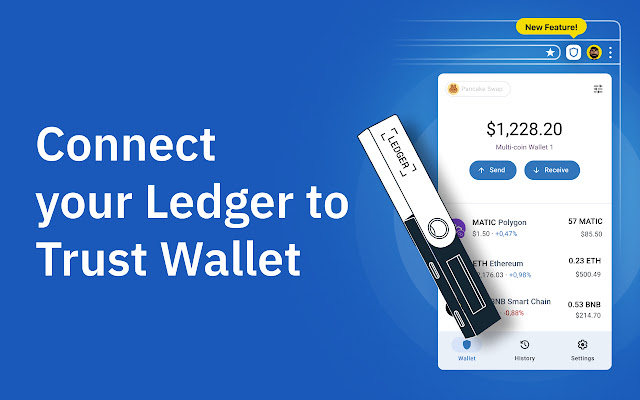
This is genius because it bypasses the traditional banking rails that regulators understand, while locking you into an identity verification system (FaceID + Apple Account) that no other crypto wallet can match for convenience.
The Antitrust Houdini Act
Here’s why my lawyer friends are losing their minds. Antitrust law is built around monopolies in defined markets. Is Apple a monopoly in smartphones? Maybe. In app distribution? Definitely.
But in “decentralized financial services”? Not a chance.
By integrating crypto, Apple gets to wave the flag of “open protocols.” They can stand in front of a judge and say, “Look, we aren’t blocking competition; we’re supporting open standards like Bitcoin and ERC-20 tokens! We’re just providing a secure interface.”
It’s a shell game. A brilliant, infuriating shell game.
They gave the regulators exactly what they asked for—interoperability. But they did it in a way that makes leaving the ecosystem a financial nightmare. Sure, you can move your crypto keys to an Android device. But you lose the biometric authentication, the instant settlement for subscriptions, and the “Tap to Pay” integration that converts your crypto to local currency at the point of sale.
I tried moving my setup to a Pixel last weekend just to test the friction. It took me three hours to re-authenticate everything, and I lost the ability to auto-pay my subscriptions from my crypto balance. I switched back to the iPhone by dinner.
Why the Crypto pivot matters now
Let’s be real: Apple didn’t embrace crypto because Tim Cook is a Bitcoin maxi. They did it because the dollar is getting digital, and they want to be the wallet for the digital dollar.
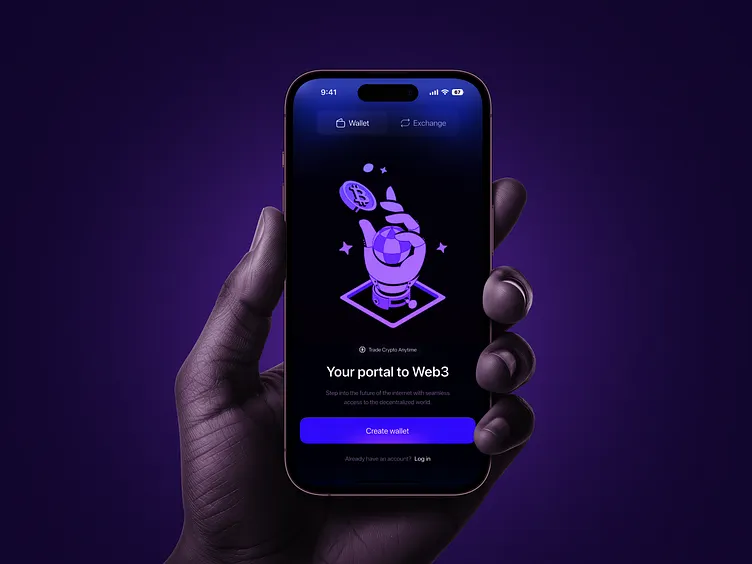
The integration of stablecoins directly into the OS is the killer app nobody saw coming. It solves the biggest problem Apple had: international payments for services. In markets where credit card penetration is low but crypto adoption is high (looking at you, Southeast Asia and Latin America), Apple just became the default bank.
This creates a flywheel that has nothing to do with hardware specs:
- User buys iPhone.
- User loads stablecoins into Wallet because it’s safer than a local bank.
- User pays for iCloud/Music/TV with those stablecoins.
- User never leaves because their financial life is tied to the Secure Enclave.
It’s not about the camera megapixels anymore. It’s about custody.
The Developer angle
I spoke to a dev friend of mine who works at a major fintech startup. He’s furious. “They sheriffed us,” he told me over beers last night. “We spent three years building a seamless crypto-to-fiat bridge. Apple just added it as a native API in iOS 19. We’re dead.”
This is the classic Apple playbook. Sherlocking. But this time, they aren’t just copying a flashlight app or a weather widget. They’re swallowing the entire crypto wallet industry whole.
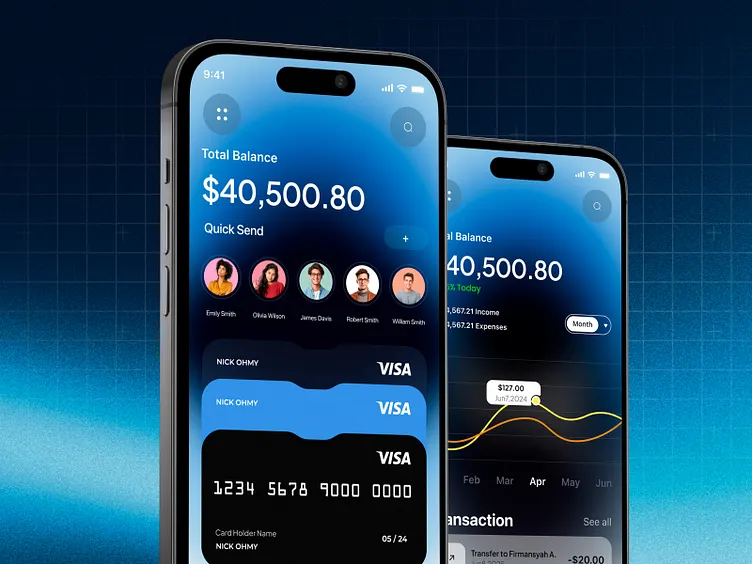
And the kicker? They’re doing it under the guise of security. “We’re protecting users from scams,” they say. And honestly? They’re right. My mom isn’t going to lose her life savings to a phishing scam on MetaMask if she’s using Apple Wallet with FaceID protections. Apple knows that safety sells better than “decentralization.”
So, where does this leave us?
The DOJ case feels stale now. While lawyers argue about App Store fees from 2024, Apple has moved the profit center to financial transactions and identity management. The 30% cut on apps matters less when you’re taking a slice of the user’s entire financial velocity.
If you thought the ecosystem was hard to leave before, try leaving it when your bank account is built into the hardware.
I’m not saying I like it. Frankly, it scares the hell out of me that one company holds the keys to my communication and my capital. But you have to admire the execution. Everyone thought Apple was cornered. Instead, they just walked through the wall.
Expect Google to scramble for a response by Q2 2026. Until then, the walled garden isn’t coming down. It just got a vault door.