
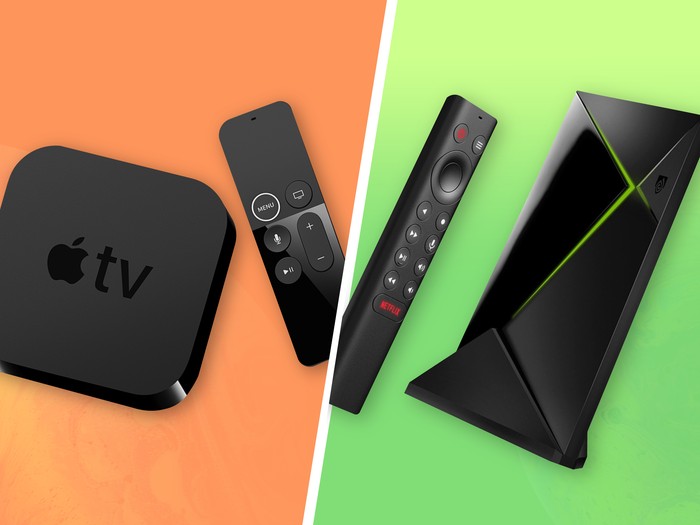
Introduction: The Battle for the Living Room Interface
In the high-stakes world of digital media distribution, the interface is the product. While hardware specifications and screen resolution remain vital, the software layer that aggregates content has become the primary battleground for user attention. For years, the conversation surrounding the App Store has been dominated by the “Apple Tax”—the standard 30% commission the company charges on digital goods and subscriptions. However, a nuanced layer of strategy exists within Apple TV marketing news that reveals a more flexible, albeit transactional, approach to ecosystem management.
Recent industry discussions have shed light on a specific mechanism within Apple’s “Video Partner Program.” This initiative allows premium video streaming services to reduce their transaction fees from the standard 30% down to 15%. The catch? They must fully integrate with the Apple TV app. This trade-off—revenue retention in exchange for ecosystem integration—highlights how Apple leverages its platform dominance to curate a unified user experience. This strategy ripples across the entire product line, influencing everything from iPhone news regarding mobile viewing habits to the latest iPad news concerning media consumption on tablets.
This article delves deep into the mechanics of this policy, exploring how it affects developers, consumers, and the broader Apple ecosystem. We will analyze the technical requirements for integration, the strategic implications for hardware like the Apple Vision Pro, and how this software strategy aligns with broader iOS updates news.
Section 1: The Mechanics of the Video Partner Program
Defining the Value Exchange
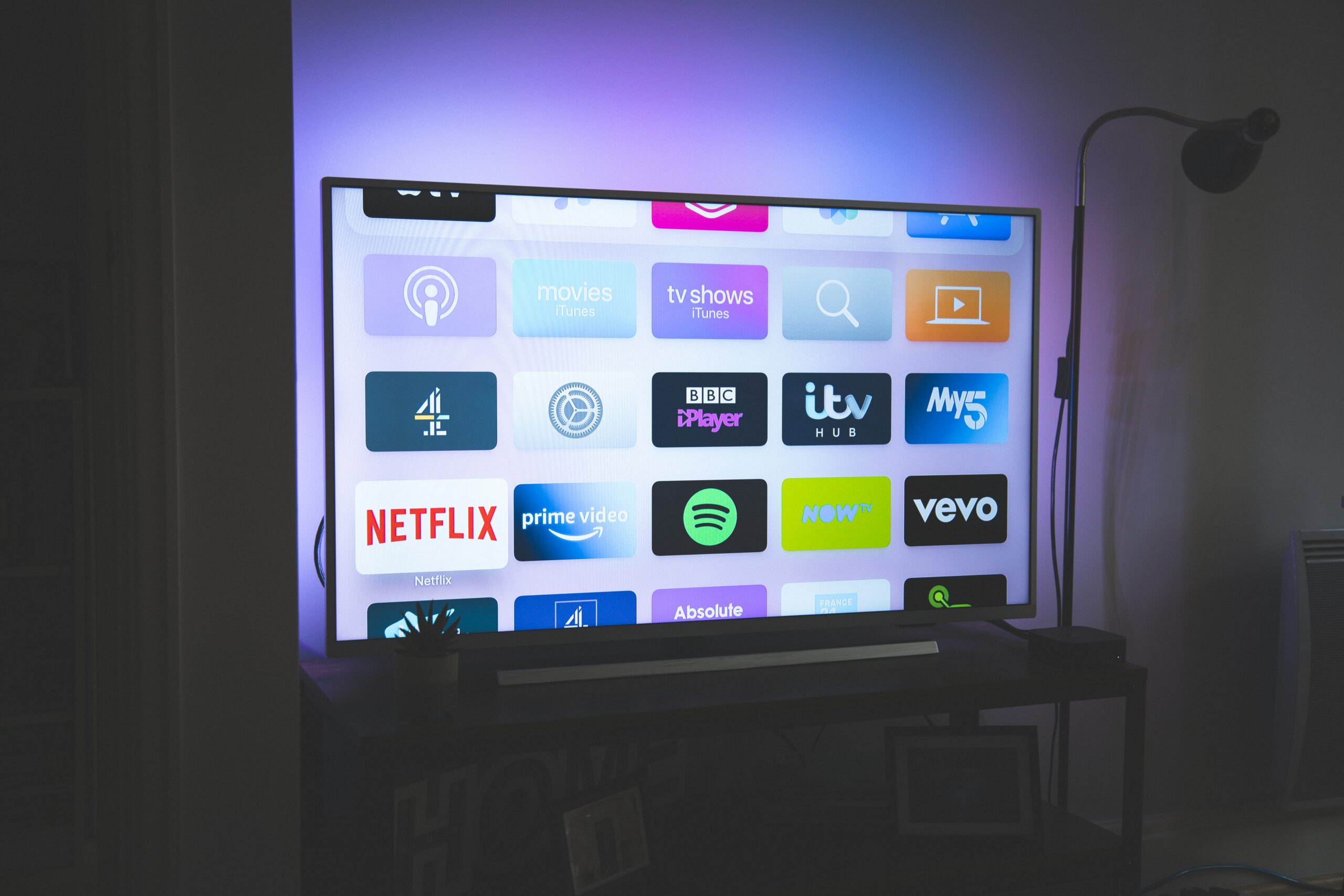
At its core, the Video Partner Program is a quid pro quo arrangement. Apple recognizes that the utility of its hardware—specifically the Apple TV 4K box, iPads, and iPhones—is significantly diminished if users have to open twelve different apps to find something to watch. To solve the fragmentation of the streaming era, Apple created the “Apple TV App” (distinct from the hardware and the Apple TV+ service) to serve as a universal hub.
For a streaming service to qualify for the reduced 15% commission rate on in-app subscriptions, they generally must agree to specific technical integrations:
- Universal Search: Content must be indexed so that a user searching via Spotlight or Siri can find deep links to the content.
- “Up Next” Integration: The service must feed viewing progress data back to Apple, allowing the Apple TV app to display “Resume Episode” or “Next Episode” directly on the system-level interface.
- Metadata Sharing: Detailed artwork, cast info, and genre tags must be shared to populate Apple’s curated collections.
The Technical Implementation
From a developer perspective, this requires utilizing specific Apple APIs. It is not merely a business agreement but a technical commitment. Developers must implement the VideoSubscriberAccount framework and ensure their playback engines report status updates to tvOS and iOS in real-time. This level of integration is what powers the seamless experience often highlighted in Apple ecosystem news.
For example, when a user asks Siri, “Find sci-fi movies from the 90s,” Siri news updates often highlight the assistant’s ability to parse libraries across Disney+, Hulu, and Max simultaneously. This is only possible because those services have opted into the program. If they hadn’t, Siri would likely only be able to open the app, not deep-link to specific content.
Historical Context: From iPods to Algorithms
To understand the significance of this, we must look back at Apple’s history of media control. In the era of iPod Classic news and iPod Mini news, Apple controlled the entire chain via iTunes. You bought the song, you synced it, you owned it. The metadata was static. Today, in the streaming age, content is ephemeral and algorithmically driven. The Video Partner Program is Apple’s attempt to regain that “iTunes-like” central control over a library they no longer own. It is a modern evolution of the curation we once saw with iPod Nano news or iPod Shuffle news, where the device helped organize the chaos of media, though now that media lives in the cloud rather than on flash storage.
Section 2: Ecosystem Synergy and Hardware Implications

The “Sticky” Factor of Integration
Why does Apple care so much about the TV app interface? Because it sells hardware. When the Apple TV app functions as a perfect aggregator, it increases the value of the entire hardware suite. This strategy is evident when analyzing Apple TV news alongside HomePod news. When a user starts a movie via the Apple TV app, the system can intelligently route audio to a stereo pair of HomePods or HomePod mini news-worthy setups, creating a home theater experience that is difficult to replicate with fragmented apps.
Cross-Device Continuity
The 15% fee reduction incentivizes developers to make their content portable. If a user starts watching a show on their television, the “Up Next” queue synchronizes instantly to their mobile devices. This drives engagement with iPhone news features like Picture-in-Picture and keeps the iPad relevant as a secondary consumption device. It even extends to the wrist; Apple Watch news frequently covers the “Now Playing” app, which acts as a remote. If the video app is fully integrated, the Apple Watch can display detailed metadata and scrub controls, rather than just generic play/pause buttons.
Audio Immersion and Accessories
The integration extends to personal audio. AirPods Pro news and AirPods Max news often focus on Spatial Audio with dynamic head tracking. Video apps that integrate deeply with Apple’s AVKit (a requirement often tied to these partnership tiers) get Spatial Audio support “for free.” This creates a scenario where watching a movie on an iPad with AirPods Pro offers a surround sound experience that a non-integrated app might struggle to provide. Even AirPods news regarding the base models highlights the seamless switching between devices, which relies on the content knowing its state across the ecosystem.
Section 3: Strategic Implications and Privacy Considerations
The Data Privacy Paradox
While the fee reduction is attractive, it comes at a cost: data. By integrating with the “Up Next” queue, streaming services are essentially sharing their user engagement data with Apple. This touches upon critical Apple privacy news. Companies like Netflix have historically resisted this integration (and the fee reduction associated with it) because they view their recommendation algorithms and user viewing habits as proprietary competitive advantages.
If Netflix integrates with the Apple TV app, Apple knows exactly what a user watches, when they watch it, and for how long. Apple can then use this data to improve its own Apple TV+ service or refine its hardware. This tension is central to modern iOS security news discussions—where does the platform end and the service begin?
The “Netflix Problem” vs. The Aggregators
There is a distinct split in the market. Smaller services (Paramount+, Peacock, Starz) almost always opt for the integration. For them, the discoverability provided by Apple’s “Watch Now” tab is worth more than the data they give up. They need the eyeballs. Conversely, giants like Netflix often prefer to pay the “Apple Tax” (or avoid in-app subscriptions entirely) to keep their walled garden intact. This fragmentation is a frequent topic in Apple TV marketing news, as it prevents the Apple TV app from being the *true* “one ring to rule them all.”
Health and Wellbeing Integration
Interestingly, this data integration could eventually bleed into Apple health news. As Apple focuses more on mental health and downtime, knowing a user’s media consumption habits could feed into “Screen Time” metrics or “Mindfulness” recommendations. If the system knows you’ve been binge-watching high-stress thrillers until 2 AM, it might suggest a wind-down routine. This level of synergy is only possible through the deep API hooks incentivized by the fee reduction.
Section 4: The Future Frontier – Vision Pro and Beyond
Spatial Computing and Video
The implications of the Video Partner Program are perhaps most critical for Apple Vision Pro news. The Vision Pro is marketed heavily as the ultimate entertainment device. For this spatial computer to succeed, it needs content. However, navigating a grid of apps in 3D space is cumbersome. Apple needs the content to come to the user.
If developers take the 15% deal and integrate, their content populates the immersive “Cinema Environment” of the Vision Pro seamlessly. If they don’t, users are forced to launch 2D iPad apps floating in space, breaking the immersion. We are already seeing Vision Pro accessories news and Apple Pencil Vision Pro news speculating on how users will interact with media timelines in this space. Perhaps a “wand” (referenced in Vision Pro wand news rumors) or hand gestures will scrub through video, but that requires the video player to be standardized via Apple’s frameworks.
Revival of Curated Media
In a way, we are seeing an iPod revival news trend, but purely in spirit. The click wheel of the iPod was the ultimate navigation tool for its time. The Apple TV app’s “Up Next” row is the digital successor. By financially incentivizing developers to populate this row, Apple is trying to recreate the simplicity of the iPod era in a complex streaming world. Even legacy devices like the iPod Touch news cycle showed us that users prefer a unified media player over disjointed file systems.
Accessories and The “Find My” Ecosystem
The integration also secures the relevance of accessories. The new Siri Remote, often discussed in AirTag news due to its lack of a U1 chip (a controversial omission), relies on the software being responsive. If an app is laggy or non-compliant with Apple’s standards, the premium feel of the hardware evaporates. Furthermore, as we see Apple Pencil news evolving, one could imagine using the Pencil on an iPad to edit or annotate video clips from supported streams—a feature that would require deep DRM and metadata access granted through these partner programs.
Best Practices for Developers and Consumers
For Developers
The decision to join the Video Partner Program is strategic.
Pros:
1. Immediate 15% revenue boost on subscriptions.
2. Placement in the “Watch Now” tab, which is the default homepage for millions of users.
3. Siri support, increasing accessibility.
Cons:
1. Loss of direct customer relationship (billing goes through Apple).
2. Sharing viewing data with a potential competitor (Apple TV+).
3. Adhering to strict UI guidelines that may dilute brand identity.
For Consumers
Understanding this backend deal helps users optimize their setup.
1. Subscribe via Apple Channels: Often, subscribing to a service *inside* the Apple TV app (Apple TV Channels) offers the highest bitrate and best integration, superior even to the standalone apps.
2. Check “Connect to TV App”: Users should ensure they have granted permission for their apps to connect to the TV app in settings to enable the “Up Next” feature.
3. Privacy Controls: Users concerned about Apple privacy news should know they can toggle off “Use Play History” for specific apps in the TV settings if they don’t want their viewing habits aggregated.
Conclusion
The revelation that Apple utilizes a reduced 15% commission rate as a lever to enforce ecosystem integration is a defining element of current Apple TV marketing news. It demonstrates that the App Store is not a monolith with a single rigid rule set, but a complex marketplace where user experience is currency. By trading revenue for metadata, Apple ensures its devices—from the iPhone to the Vision Pro—remain the preferred portal for digital entertainment.
For the consumer, this results in a more convenient, unified viewing experience, albeit one that further entrenches them in the “walled garden.” As technologies evolve, with Apple AR news on the horizon and potential new form factors, this strategy of software integration will likely become even more aggressive. Whether it is through AirPods news detailing new audio formats or iPad news showcasing better displays, the underlying content delivery system powered by these business deals remains the invisible engine driving the ecosystem forward.