

It started with a box of parts and a burnt finger.
Well, I swore I wouldn’t do it. I told myself my phone was enough. I have Spotify, I have local FLAC files on my 1TB iPhone, and I have a decent USB-C DAC dongle. But then I saw the new transparent faceplates dropped by Moonlit Market last month, and well, here we are. My thumb is sore, my desk is covered in Kapton tape, and I’m listening to a playlist I made in 2009 on a device that technically shouldn’t exist.
The “iPod Revival” has been bubbling for years, but in early 2026, it hit a weird critical mass. And it’s no longer just about nostalgia or hipsters wanting to be seen with wired headphones. It’s about the hardware finally catching up to the dream. We aren’t just restoring these things anymore; we are building ship-of-Theseus monsters that outperform the originals in every metric that matters.
The “Click” is Still Unbeatable
Let’s be real: touchscreens are terrible for music. Trying to scrub through a track while driving or walking requires looking at the screen, waking the device, and hoping you don’t accidentally swipe to the next song. The click wheel? It’s muscle memory. It’s physical. You can use it through a coat pocket.
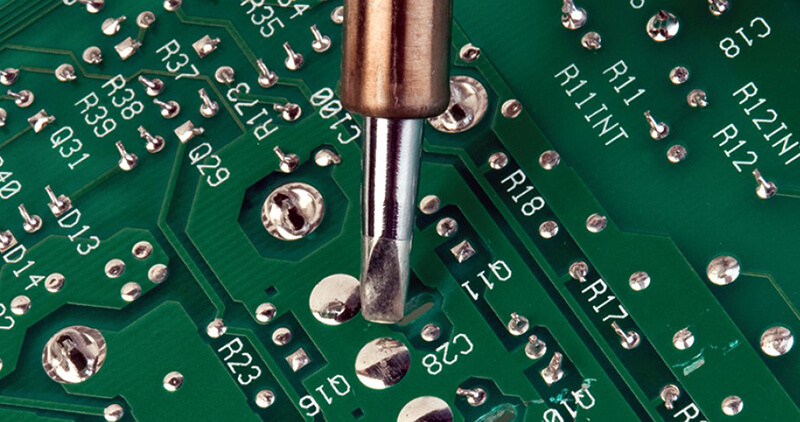
I just finished building what the community calls a “Pod of Theseus.” It started as a beat-up 5.5 Gen Video I snagged on eBay for $40. The hard drive was dead, the battery was swollen, and the screen looked like it had been scrubbed with steel wool. Yesterday, I closed it up (after three attempts—those ribbon cables are spiteful).
The Software Gap is Closing
For the longest time, the trade-off was the OS. You either stuck with the stock Apple firmware (stable, but limited format support) or you went with Rockbox (powerful, but looked like a Linux terminal from 1998). But that changed recently. The community builds of Rockbox released in late 2025 have become genuinely beautiful. I’m running a theme called “FreshOS” that mimics a modern, flat UI with high-res album art support. It looks like what Apple might have designed if they hadn’t killed the product line.
The “Why” (It’s Not Just Hipster Nonsense)
You might ask why I’m doing this when I have a phone. It’s the “Single Purpose Device” theory. When I listen to music on my phone, I’m one notification away from doom-scrolling Twitter or checking email. The music becomes background noise to the anxiety of the internet. On the iPod, there is no internet. There is no Bluetooth (unless you mod that in too, which I skipped because wired audio sounds better). And when I put headphones on, I am just listening to music.
The Technical Reality Check
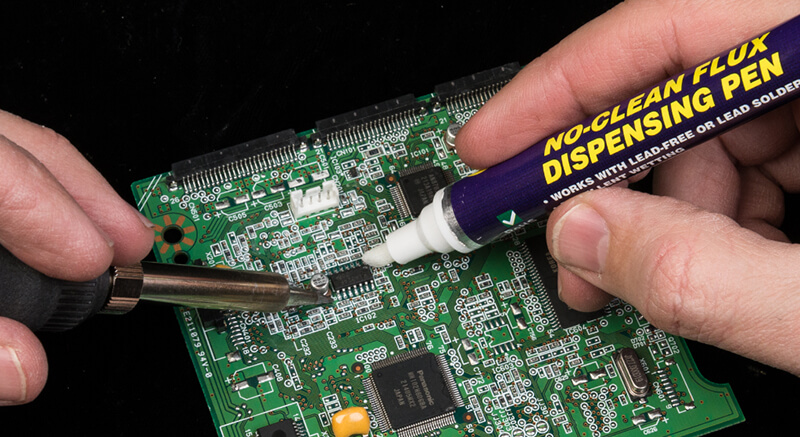
Before you run off to buy a broken iPod Classic, let me be the wet blanket. This is not a “seamless” experience. It is a hobby. And opening them is awful — if you get a 6th or 7th Gen Classic (the ones with the aluminum faceplate), they are held together by metal clips that hate you. I broke two spudgers and sliced my thumb open trying to pry the case apart.
Don’t try to use modern Apple Music or iTunes to sync these. It’s a nightmare. I’m using a foobar2000 setup with a specific plugin to sync to the iPod. It gives me total control over transcoding (I convert high-res FLAC to ALAC on the fly), but setting it up took an entire evening of reading forum posts from 2014.
The Verdict
Is this practical? No. A $200 Sony Walkman A306 does most of this out of the box with Android and streaming apps. But that’s missing the point. The Walkman feels like a cheap Android phone without a SIM card. The modded iPod feels like a tool. It has weight. It has mechanical feedback. And most importantly, I built it. When the battery eventually dies in five years, I know exactly which ribbon cable to unplug to fix it. In an era where everything is glued shut and disposable, having a gadget I can mend is the ultimate luxury.
If you’re tired of renting your music and want to actually own it again, grab a soldering iron. The water’s fine.
Questions readers ask
What is a ‘Pod of Theseus’ iPod mod?
A Pod of Theseus is a community term for a heavily rebuilt iPod where most original parts are replaced. The article describes starting with a beat-up 5.5 Gen Video bought on eBay for $40 with a dead hard drive, swollen battery, and scratched screen, then swapping enough components that the finished device outperforms the original in every metric that matters.
Is Rockbox still ugly in 2026 or has the interface improved?
Rockbox has changed significantly. While it historically looked like a Linux terminal from 1998, community builds released in late 2025 became genuinely beautiful. The article’s author runs a theme called FreshOS that mimics a modern, flat UI with high-res album art support, resembling what Apple might have designed if the iPod product line had continued.
How do you sync music to a modded iPod without iTunes?
The article recommends avoiding modern Apple Music or iTunes, calling syncing through them a nightmare. Instead, the author uses a foobar2000 setup with a specific plugin to sync to the iPod. It provides total control over transcoding, including converting high-res FLAC to ALAC on the fly, though setup required an evening reading forum posts from 2014.
Why mod an iPod when a Sony Walkman A306 exists?
The $200 Sony Walkman A306 does most of what a modded iPod does out of the box with Android and streaming apps, but the article argues it feels like a cheap Android phone without a SIM card. A modded iPod feels like a tool with weight and mechanical feedback, and the owner built it themselves and can repair individual ribbon cables when components fail.